Featured

Random Thoughts Blog

Hello and welcome to my blog of random thoughts ranging from life’s philosophy, spirituality to socio-political commentary.

My name is Manoj Tiwari and retired from my 9-5 job in August 2020. Now I plan to write, travel, video blog, podcasts, act and direct short films and plays and create whatever creative thoughts come to my mind.

Why am I doing this?

Because it gives me a pleasure to create something new. I worked in software product development most of my life and created several products that were used across the US and internationally. Always loved creating, it gives so much satisfaction that the failures and disappointments that also come with it are miniscule in comparison.

Because it will help me stay focused on original ideas about everything in life. Blog is an outlet for all those random thoughts that grow over period of time and builds an ideology.

Because someone said if any of my thoughts and ideas help someone in the process, why not. So hope it helps someone else as well, as it has helped me develop new thoughts and theories.

Because it can help in starting a dialog on any of those topics that I write about.

Please comment or write to us directly but most importantly, subscribe and like this.

The Bengal Files


“Be informed of the history, not be imprisoned by it.” – Tony Blinken, Former Secretary of State.

This profound statement resonates deeply, especially when we consider the echoes of the past that continue to shape our present. Recently, I had a powerful experience with “The Bengal Files,” a film that meticulously documents the often-overlooked and dark history of Bengal’s partition into what we now know as Bangladesh. Unlike the more widely known partition of western India, the story of Bengal’s division remains largely untold, yet its impact continues to ripple through the lives of countless individuals.

For those of us from undivided India, this history can feel like an inherited burden. Even 80 years after the separation, the deep-seated pain and suffering persist on all sides. Certain historical truths, once swept under the rug, are now resurfacing, notably through Vivek Agnihotri’s impactful film trilogy.

Last year, I traveled to India and witnessed the making of “The Bengal Files.” Later, attending its premiere screening in the DC/MD/VA area in July, I was consumed by a persistent question: Why did this happen, and who was truly responsible? My conclusion, time and again, pointed to politicians who were tragically disconnected from reality. For them, human lives seemed to hold little value. Figures like Mr. Jinnah and the then-Governor of Bengal, Mr. Suhrawardy, appeared indifferent to the immense human cost – countless lives lost – in their pursuit of power. What, truly, did anyone gain from the loss of millions? Look at Bangladesh today; it continues to grapple with the aftermath.


When “We the People” Are Pawns

This devastating outcome could have been avoided. If “we the people” on both sides had understood the horrific potential for loss, if they had sat down, acknowledged each other’s pain, and prevented their leaders from making such monumental decisions, history might have unfolded differently. The truth is, conflicts rooted in race, religion, and caste are almost always instigated by those who stand to gain from division. When we examine genocides throughout history – whether sparked by race, religion, nationality, caste, or any other social issue – it becomes starkly clear: politicians rarely suffer personal loss. Instead, they almost invariably accrue more power and wealth.

Even today, this pattern persists globally. Ordinary people are used as pawns in the power games of the wealthy and influential. We are manipulated. Imagine if “we the people” understood a simple, yet profound, concept: the loss of any human is a loss for all of humanity, not just for a specific race, religion, or social group. If we recognized that we are being exploited in this relentless pursuit of money and power, perhaps we would stop fighting amongst ourselves.

Today, the categories of division have expanded dramatically. We are now pitted against each other over our tribes, races, religions, castes, nationalities, sexual orientations, our children’s curricula, our school districts, our land, our climate, our taxes, and the list goes on. And who benefits from this endless fragmentation? The rich and the politicians.

Consider the almost century-long animosity between Hindus and Muslims. It began because someone, somewhere, convinced people of each faith that they were being unfairly treated and deserved their own nation. Politicians and religious leaders then seized this opportunity, cashing in to expand their power and wealth. And what did “we the people” gain from this? Nothing but enduring misery.


It’s Time to Change the Narrative

Isn’t it time for “we the people” to awaken? All it would take is for us to critically examine every issue that divides us, to understand the political machinations behind them, and to truly acknowledge each other’s pain. If we honestly reflect on what we dislike about someone from a different race, religion, or nationality, we’ll often find it’s nothing more than a narrative we’ve been fed since childhood.

It’s time to flip the script. Turn the tables on the politicians who have systematically divided us based on superficial traits, using us as mere vote banks. Let’s challenge the current democratic practices where everything seems to be bought and sold. Stop the bloodshed in the name of religion. Stop being divided by race, religion, nationality, skin color, or sexual orientation. This madness must end. Turn off the noise, awaken your true human consciousness, and embrace the principle: Live and Let Live!

Perceived Value: The Illusion Behind Our Beliefs

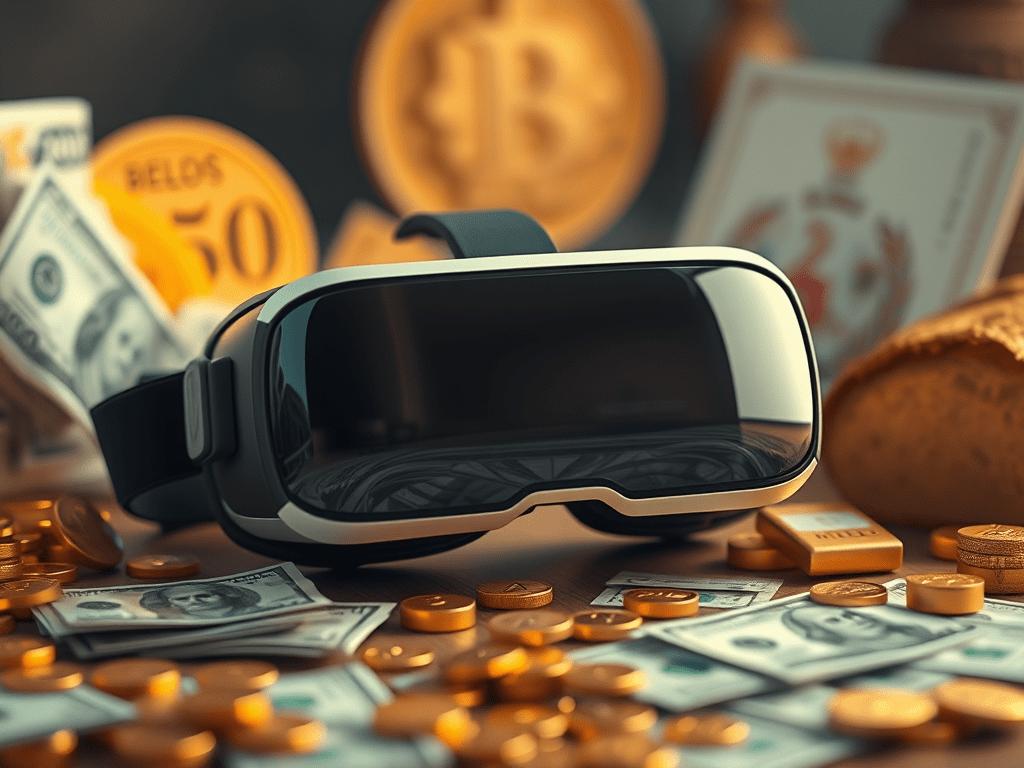
I realized a while ago, that a majority of our life’s actions and beliefs are based on imaginary perceptions and perceived values. Take, for example, the world’s economy runs on the perceived value of a country’s currency. At one time currencies were backed by Gold and precious stones, but now the US Dollar is Golden. And if you think further, gold and diamond’s value is also perceived. We, the humans created the concept of perceived value. The value of a loaf of bread for a starving person may be more valuable than the value of gold or diamonds of the same weight. The value of precious stones and metals, currency and now Crypto are all imaginary. It’s based on the perceived value in an open market. 

Now, let me stretch it further to the perceived value of our social beliefs and actions. 

For example, the perceived value of a woman’s virginity was and still is extremely high in some cultures; similarly female genital mutilation was considered a right belief thousands of years ago and still practiced in many countries openly based on the perceived value of female genitals. 

Is it right? A belief based on imaginary perceptions and perceived values when practiced blindly and imposed on others, is that good for humanity? 

Praying to an imaginary figure called God has reaped no benefit beyond personal satisfaction, but calling for tens of millions of people to take a dip in a river on an imaginary holy day is nothing beyond generating business as is done in every religion from Hinduism, Islam to Christianity. Practicing Baptism, and taking a pilgrimage to Haj, Western Wall and Char Dham is nothing but some clever marketing persons’ ideas of generating business by creating perceived value of something imaginary. 

Yes, people believe they get personal satisfaction or happiness for example from imaginary stories, created for the purpose of pure entertainment like films and TV shows and that is ok; but if that belief is promoted and propagated to the masses who then follow it to affect others negatively, is that a good practice? 

We Indians are proud of 400 million (an imaginary number) people gathering for Kumbh Mela in Prayagraj India, but what is being promoted by this? An imaginary belief that the Ganga river will wipe their sins and make their lives meaningful. What does the pilgrimage to Haj does? Many times tens and hundreds of people have died just in stampede but that does not stop the madness. In the end, many businesses and the country reap many economic benefits and the masses experience only an imaginary belief, a perceived value. 

Perceived value is just like virtual reality(VR). We put on our special glasses and someone else’s imagination creates an imaginary world all around us. But what if these VR glasses start spreading diseases, killing people, and making you crazy? Do you still want to continue to use those VR glasses? Just look around we are all wearing our own brand of VR glasses and killing and hurting ourselves.

Adventures of a Lonely Old Man

Lately, I’ve been feeling very lonely, living in an apartment alone in the middle of winter, with limited outings, who wouldn’t feel lonely, especially when you are 70 and you know that your spring days are not coming back, you will not see your cherries blossom again.. err, I meant cherry trees…

One day in the middle of winter, below freezing temperature, with 2-day-old muddied snow and ice, that had turned from a beautiful sight to an unattractive pile like a 70-year-old man;  the roads were treacherous to even step outside. after cooking and cleaning I settled down on a couch for my mandatory afternoon nap, TV remote in one hand and phone in the other, as I debated which lullaby to watch for 10 minutes to fall asleep, my phone dinged. The sound of critical message alerts. 

I immediately tried to unlock my phone but struggled like most people in my age group with the exact location of putting my finger for it to recognize me. It no longer recognizes my face because 10 years ago when I registered my face for face recognition technology it used to work but it refused to recognize my face now for obvious reasons. I mean even my friends sometimes look at my face, question it, and ask for fingerprints for verification.  

After quite a struggle my phone opened the dinging message. 

The message was from some unknown number and it said: “Hey darling we are still meeting tonight, right? I’ll sleep over after dinner. And don’t say no”. 

I was stunned, in a state of shock, frozen for an eternity. After a long time when I thawed, I read it again and again. It felt like Tom Hanks saw a rescue plane above his head in Cast Away. I was super delighted to know someone was meeting me and coming to my apartment for a sleepover. I didn’t even waste a second and replied without even thinking – 

“Yes, Cindy I am free this evening after 6 pm  and yes, you may sleep over tonight, I have a couch where I can sleep comfortably. “ 

After hitting Send on the message reply, I got puzzled over why I wrote 6 pm when I have nothing to do between 1 and 6 pm either. I could have left now. I pondered over that thought until my phone text dinged me again and a message popped up on my screen – “Glad to hear that baby. Will see you at 6 at our usual TexMex place. Is that ok?” 

And I immediately replied, sure. See you at 6. And seconds later her reply came back, “Babe, send me the address of the place for my car’s GPS. I forgot the name of it.” 

Faithfully, in my excitement, I sent her the name and address of the closest TexMex restaurant.

Came a reply a few seconds later, “Honey, I need your credit card to make a reservation. Can you take a picture of it and send it to me so I can reserve a table? It’s a very popular place and they may put a $100 hold on it so that we don’t cancel without showing up.”

“Oh I tried, but it won’t go through without your address. Can you…. “ 

Then came another ding… “Hey M darling, get excited to see me in my birthday suit tonight… your Cindy.” 

I was so excited to have a date with Cindy on a dreary gloomy winter day. I was thrilled with the thought of going out and talking to someone.

Barely 30 minutes must have passed and another ding came. I was expecting a reservation confirmation from MY Cindy. But this ding was from my credit card company. An alert was sent to notify me that a purchase was made for $5000 on my card in Somalia. And then came another ding and another ding and they kept coming for the next 10 minutes. 

Suddenly I came to my senses and started wondering, who in the hell Cindy was… and my day became gloomier and gloomier….. I waited on the phone for 30 minutes with my credit card company and as a courtesy, they told me that my current balance was $8,325 and hung up because they were too busy handling many other cases. 

I am still trying to find Cindy’s number because it seems to be not working anymore. Sure enough, my “Cindy” wasn’t some swimsuit model with a hankering for enchiladas, but a digital bandit after my hard-earned cash.  Just another day in paradise for a lonely senior on the internet, I guess.

Now a week later I am appreciating my good old days of no cell phones and texting. Scammers had to go find carbon copies of the credit card purchase and try to defraud some ignorant merchant… 

Moral of the story? Maybe stick to chatting with the mailman for some human interaction.

Koi luata de mere beete hue din… (someone please get my old days back… a famous Hindi song)

(This is just for humor, please don’t call me to sympathize or empathize with me. I’m very busy and don’t have time to answer all calls and texts, especially from unknown numbers. 🙂 And yes, don’t forget to subscribe to my blogs below, all you need is your email address and a $5000 donation.)

Human Need to-be-Wanted

Lately, I have noticed that more people are suffering from mental health issues than I have ever seen in my life, including many in my network of friends and family. Sometimes I feel like others might be thinking about me like that as well.

We want to be Wanted. Our desire, to be wanted, stems from our ancestral past, where belonging to a community was for survival. In prehistoric times, ostracism from the tribe could lead to isolation, vulnerability, and even death. Therefore, our brains evolved to reward us for social connection and acceptance, making us crave validation from others. This innate need to be wanted has served us well throughout our evolutionary journey, ensuring our survival and perpetuation.

The human mind is one of the most fascinating and complex living and breathing things ever. We still don’t know how to treat it well, if at all. Scientists know some of its patterns and chemical reactions but how it thinks and how to alter that thinking scientifically or medically is still beyond human control. That’s why most thought-grooming is done through psychological training of the mind. Watch this vlog on The Brain Theory, which I created a couple of years back.   

Humans are social creatures, wired for connection and belonging. We crave acceptance and validation from others, a desire deeply rooted in our evolutionary history. As social mammals, we thrive on forming bonds and relationships, and our sense of self is shaped by the feedback we receive from others. The need to-be-wanted serves as a powerful motivator, driving us to seek attention,  approval, and affirmation. 

Our brains are equipped with a complex reward system, largely orchestrated by the neurotransmitter dopamine. This system is activated when we engage in activities that promote our survival and well-being, such as eating, socializing, and reproducing. The dopamine release creates a sense of pleasure and satisfaction, reinforcing the behavior and encouraging its repetition. 

The need to-be-wanted taps into this reward system, stimulating the release of dopamine when we receive acceptance and validation from others. Our brains learn to associate positive emotions with being wanted, making us crave the feeling of belonging and acceptance and in return, this craving becomes our addiction just like for a drug, smoking, or drinking.

The need to be wanted manifests in various psychological aspects of our lives, influencing our self-esteem, our fear of rejection, and our engagement in social media. Self-esteem refers to our overall sense of self-worth, our belief in our values and capabilities. For some individuals, self-esteem can be fragile and dependent on external validation. They seek approval from others to bolster their sense of self, basing their self-worth on the opinions and judgments of others. This reliance on external validation can lead to a constant pursuit of approval, and an endless cycle of seeking validation to maintain self-esteem.

Though, the fear of rejection is a powerful motivator, driving us to conform to social norms and seek acceptance, however, when this need for acceptance is not met, we may experience feelings of loneliness, isolation, and insecurity. This can lead to negative coping mechanisms such as people-pleasing, self-doubt, and anxiety. Often repeated rejections or disapprovals may cause other mental health issues like depression and severe anxiety. 

This validation, approval, fake feel-good appreciation, social media acceptance, and social attention all provide a temporary dose of a drug, like a shot of sugar;  and this eventually creates a lifelong dependency on social acceptance. I’m sure you know a few people whose life’s happiness revolves around the number of likes and heart emojis on their postings. Social media-dependent people don’t like to receive feedback but only like to count their likes.  

The human need to be wanted manifests in various ways throughout our lives. In childhood, we seek the love and approval of our parents and caregivers. As we grow older, we form friendships and romantic relationships, yearning for companionship, intimacy, and emotional support. Even in our professional lives, we desire recognition, appreciation, and a sense of belonging to a team or organization. I remember an employee in one of my previous jobs who constantly complained about how everything was wrong within the organization, and how he was not appreciated but he did not ever think about leaving the company despite my plea to leave, as his well-wisher. He was extremely hardworking, the most intelligent, knowledgeable employee in the department but he was at the dead end of his career path at this company. He still stayed there because he lacked the self-esteem and confidence to survive in a new environment. Also, he knew, he was wanted at this company by his colleagues and managers, knowing fully well that he would not make more money, or get promoted to a manager’s role but stayed for over 12 years. 

Sometimes people get stuck in a position where they don’t want to be but stay in that undesirable situation because they feel they are wanted.  

However, it is important to strike a balance between seeking validation from others and cultivating self-worth from within. While healthy relationships and social connections are essential, it is also crucial to develop a strong sense of self-acceptance and self-love. This involves recognizing our intrinsic value, regardless of external validation. This requires deep introspection and acceptance of your issues including a review of your childhood-inflicted emotional traumas, wrongful nurturing, and bad habits. 

Here are some suggestions in no particular order (some may not apply to you) for nurturing self-worth and fulfilling the need to be wanted in healthy ways:

  • uncheckedEngage in activities that bring you joy and fulfillment. Pursue hobbies, interests, and passions that align with your values and make you feel alive.
  • uncheckedDo more activities alone to remove dependencies. Like reading, painting, going for a walk, a movie,  a dinner, or a trip alone. 
  • uncheckedTo practice self-acceptance, go sit in a crowded place alone, enjoy doing your own thing, and feel comfortable in uncomfortable surroundings. 
  • uncheckedEarn real praise and attention – Participate in activities where there is no known person around. 
  • uncheckedPay attention to your attention-seeking behavior in a group. Are you the loudest person? Are you speaking the most? Are you jumping into everyone’s conversation? Are you running after every photo opportunity? Ask yourself why.
  • uncheckedLook at your social media activities. Are you counting your likes every morning? Do you feel an urge to post your pictures every day? Are you having a FOMO effect every time you see someone else’s post? If yes, it’s time to address your dependency on others’ acceptance. 
  • uncheckedNurture meaningful relationships. Surround yourself with supportive, positive individuals who appreciate and value you for who you are. 
  • uncheckedDiscard relationships where you constantly receive negative vibes. 
  • uncheckedAccept your flaws and shortcomings to correct them. Hiding or not accepting usually causes the issues discussed earlier. 
  • uncheckedPractice self-compassion. Be kind and understanding towards yourself, especially when facing challenges or setbacks.
  • uncheckedCelebrate your “real” accomplishments. Recognize and acknowledge your achievements, no matter how small they may seem. 
  • uncheckedRecognize the difference between real and fake appreciation. Value real appreciation and feedback. Don’t get carried away with fake appreciation. 
  • uncheckedCultivating self-worth and nurturing healthy connections can fulfill your need to be wanted in ways that promote overall well-being and happiness.
  • uncheckedLast but not least, Seek professional help if needed. If you struggle with persistent feelings of loneliness, insecurity, or low self-esteem, consider seeking guidance from a therapist or counselor. Here is a great resource for you.  (this is not an Ad or a paid promotion. I liked it hence sharing it.)

Ram Mandir

As India celebrated the most significant event in its history of Hinduism, the opening of the Ram Mandir (Ram Temple)  in Ayodhya, I’ve been contemplating which side I sit in, inside the temple, outside of the temple, or far away from the temple. (if you are not familiar with this event, you can google Ram Mandir in Ayodhya and you can read thousands of articles and millions of videos on YouTube, so I am not discussing those details here.) This is MY OPINION and has no reflection on any person, race, or religion and has no intention of hurting anybody’s feelings. Consider this an Op-Ed.  

My contemplation is a war between my agnostic religious beliefs vs the socio-politics of India. I am interested in the topic because India has my roots, I was born Hindu, and this temple is nothing short of one of the most significant game-changing documented historical events for India and Hinduism in recent history, at least since its independence from the British Raj. 

I completely understand that the Ram Mandir is only a symbolic structure that represents many things for many people of India and Hindus, and has many socio-political implications such as – 

  • affirmation of Hindus of India that Hindu power has risen and has defeated the rising Islamic powers of India; Ram’s coming back to Ayodhya after defeating Ravan. 
  • India is going to be ruled by Hindu principles and may no longer be a secular country, the way academia sees secularism. (However, I still believe that minorities in India will always have much greater freedom than traditional Islamic countries of the world.)
  • Modi and the BJP have established themselves so strongly at the grassroots level that no other leader or party can lead India for the foreseeable future. 
  • Now that the Hindu majority has gained such momentous power, they will not let this power go into the hands of opportunistic parties like Congress, AAP, or other minority parties, or let minorities have much say in the policies of the central government. 
  • Hindu majority has merged the Hindu pride with the national pride. Nationalism and Hinduism have merged into one. If you are for “Ram Mandir” (philosophically speaking), only then you are a Hindustani, otherwise, your pride in India doesn’t mean much. 

Based on the above-mentioned socio-political implications, my opinion on this event is the following:

  1. This event was just a show of the rising power, from a social structure point of view.
  2. To me, it was a drama to create the grandeur of the party and its leaders. 
  3. This event was a complete brainwashing of the masses of India to project Hinduism as the political power and to capture people’s minds to vote based on their religion rather than on the policies or the character of the political leaders. At least that’s the perception of people outside of this event.  But people have always voted based on their leaders’ cast, race and religion anyway.
  4. I am not even going to raise the most common objection to the amount of money spent on the temple and building the infrastructure in a town of total insignificance, for the reason every religion does it. People of other countries and other religions always raise it as an issue while they forget the people of other faiths have built humongous mosques, churches, the B’ahai temples of no faith, and Buddhist temples when Buddha specifically asked not to be prayed as god. So every faith does it. 
  5. The real problem is that religious leaders build these religious shrines bigger than the next religious shrine primarily for their egos and competitive markets. Why these religious organizations wasting trillions of dollars on building concrete structures? Do you think the Gods favor those with bigger shrines, bigger playgrounds?
  6. What is the ultimate objective of this religious war? To control people’s minds. Yes, the political wars are over land or ruling another country or people, the religious wars are over controlling people’s minds. Once one controls people’s minds, they can control anything and everything. AI is doing the same thing, eventually going to control minds. Religion and AI are doing the same thing. These are the games being played by the rich and powerful. 
  7. Hindus have been so late in joining this religious war; they had no idea how to even start this war. They had never fought religious wars, they were just outsiders watching others fight it or being trampled on by the Islamic or Christian rulers. This was the first time they got this exposure, and thoroughly enjoyed the feeling of victory. 
  8. Hinduism is not an organized monolithic religion. Historically, Hindus always had a passive voice because they always were “peaceful” people. There has never been only one Hindu leader in the history of its religion. If there are over a billion Hindus, there are over a billion Hindu philosophies. Every person believes in a different god or belief. 
  9. Finally, Hindus could rally behind one leader and one god. With Ram Mandir, Hindus found their monolithic god, and a leader, a Pope, a Guru, a Prophet. Now they can fight the religious war on an equal footing where Hindus speak the same language as other religions and understand their language. This is so significant because Hindus couldn’t explain Hindu philosophy to monolithic religions and couldn’t find the respect in the global religious network they deserved like others. 
  10. What does it all mean? It means the global religious war has become a much bigger war with a new billion people army joining.  
  11. While I come from a completely different viewpoint and attitude, I still believe this is the best thing that has happened to the people of the Hindu faith. If the religious wars continue, Hindus cannot stand on the sideline and not be part of the religious world order otherwise someday they will again be trampled by another religious ruler.  
  12. And people like me are watching from the sideline or outside of the temple, people who believe in Humanity as their religion. I feel religions exploit people and take away their true power. People of Humanity have to rise one day and trample on every religion on this earth. The need for religion no longer exists. The people who live without religion also live as happily and as miserably as people who believe in religion. In the end, only the people of no religious faith can stop this business of war. Amen.

The Purpose

My brother Dinesh has adopted a new purpose in life which is to help people improve their lives by changing their habits and live till the age of 100, which is a noble cause. I fully support his cause except for the fact that I don’t believe all humans who are already over the age of 60 are ready to live till the age of 100. Before you become cynical about my last statement, hear my thoughts first. 

I remember this famous line from the Hindi film “Anand” – “Zindagi badi honi chahiye, Lambi nahin” (life should be grand, not long). It doesn’t mean living a long life is not desirable but the real message is that life should be big, rather grand. 

The thought that not every human is ready to live till 100 is based on the fact most people who grew up with an age-old practice of retiring by the age of 65 have psychologically and financially prepared themselves to live till about the age of 80 or maximum 85. Now if they change their lifestyle and live till the age of 100, they will have a hard time living the last 15 years of their lives, primarily because they wouldn’t have –

  • a purpose, 
  • mental endurance, or
  • Financial preparedness 

IMHO, life is wasted if not lived with a purpose. It doesn’t mean it has no value, it means one did not value it. While we are working and providing for the family and children, it seems our life has a purpose but once we are done with family duties, it seems there is no purpose unless we explicitly define that purpose. Hence, it is of utmost importance to have a purpose to live even after you have fulfilled your duties and are no longer working. I imagine living without purpose till the age of 100 can be meaningless and depressing for most. Purpose can be anything that fulfills your psychological needs and is a reason to wake up every morning. It does not have to be grand like my brother changing people’s lives or my friend Prakash changing the lives of hundreds of homeless people. It can be as simple as growing your vegetable garden, traveling around the world, raising your grandchildren, building a financial empire for the next generation, painting your masterpiece, creating your best film, or performing in a play or a concert… pick anything that your body, heart, and mind supports. Your physical health may also limit your ability to fulfill your purpose so plan accordingly.

What is mental endurance? It is the mentally prepared destination or target. For example, when I go to the gym, I prepare myself to do the treadmill for 30, 45, or 60 minutes. I experimented with this a few times when I prepared myself to do only 30 min. walk, I started feeling tired after 20 minutes and started watching the clock for 10 minutes to pass, somehow; and I had no pain until I reached 50 min. mark when I set my mind to 60 min. The same phenomenon plays a role in people’s lives. After retirement, we start counting our years based on our set age or parents’ age. We start planning to live say till 80, 85, or 90. Rarely anyone, except my brother, plans to live till 100. I’m sure he will live till 100 or very close to it. Our mental endurance is set for 80-90. 

Financial preparedness is one of the most critical factors in living happily in old age. Life is hell if you are not financially independent throughout your living years. So start saving for retirement as soon as there is financial comfort in your income level (be honest, there is no end to spending) and stop after you have reached your goal for the retired life (talk to a financial advisor or a financially failed retired person to understand how much to save). 

Freedom from financial stress is the only way to serve your purpose and have the mental endurance to succeed in life. If you are still below the age of 50, start building your life’s purpose, mental endurance, and financial health along with your physical health, now. 

Have a happy life!!! May you live as long as you want to live.

Environmental Anxiety

Today, my daughter Priya introduced me to a new term, “Environmental Anxiety”. Her explanation took me aback; it became so real that it shook me to the core. She said the way the environment is deteriorating, it is possible that in her son Zakir’s lifetime, he and his children may not be able to breathe this air.  And predictions of these kinds have created Environmental Anxiety in the parents of her generation.

After many decades of scientists preparing us for these days, the current heat wave, Canadian fires, the flooding in India, and many states within the US, increasing frequency, and the destruction from tornadoes are all becoming real. The effects of climate change are real and have arrived in our lifetime. And yet people are still acting ignorant about it. Almost everyone is talking about these changes but hardly anyone is changing their lifestyle. Personal convenience still beats global climate change in many people’s minds. 

There are still many ignorant people out there who believe it’s unnecessary noise made by liberals. This is not a liberal or conservative issue. This is our survival issue. Do we want to live a good quality life or do we want to watch humanity perish slow death by being selfish and ignorant? Think about our children and grandchildren. Think about humanity as a whole….  This is a wake-up call for all of us. 

Most people, including me, believe that one person cannot make a significant difference but I have started believing that 100 aware people can make a significant difference. And that is the purpose of this blog to bring change among at least 100 people, aware or unaware. Here are a few little efforts I make to make a difference in our lives. And everyone who reads this can share their ideas in the comments that they practice and can have a positive impact on our environment.  

  1. I reuse and recycle anything and everything that can possibly be reused or recycled. I reuse all my plastic bags and wraps whenever possible. I reuse Saran wrap, and Ziploc bags until they are unusable; I reuse all plastic containers until they are not usable. And when they are not usable, then I recycle them. I don’t know if everything gets recycled so I don’t trust recycling either, hence, I reuse everything to its max usability. 
  2. I hardly ever buy water bottles; carry my reusable bottle even on flights. I carried it in India and refilled it wherever I could. Water bottles are the biggest culprits nowadays in spreading the use of single-use plastic. I know we cannot live without plastic but we can minimize its wastage. 
  3. Reduce the use of petroleum-based products that have an impact on the environment. Switched to an electric car, minimize plastic products; carry my own bags 90% of the time. If it is feasible, carry purchases in hand if I don’t have a bag. 
  4. Certain grocery stores, Wegmans and Giant, in my area collect plastic bags for recycling. I religiously save every plastic bag, even Ziploc and saran wrap, and drop them off at one of these stores. And later I feel guilty for not supporting those stores, so I go buy groceries there. 
  5. Keep my thermostat at 75 in summer and 68 in winter. 
  6. Inspired by Priya, I am going to reduce my Amazon shipping, which I don’t use much anyway but sometimes there are not many options. Still, try to use their combined shipping packages option where possible. 

My mother used to say “We are what we eat”, and I didn’t understand back then but now I do. I have modified that saying to say – “Our environment is what we consume.” It is shitty because we are consuming shitty products.  Do you remember during Covid, the air quality became so good, and the wild and marine life around us started improving? Let’s try to bring that movement back by changing our habits. We can make small changes that may add up to be an impactful change. I don’t know the answer to the problem, I am thinking about how I can make a difference. I am hoping to influence people around me by learning from them and by bringing awareness. 

Here are a few things that I am urging people to consider about changing their lifestyles:

  1. Be aware and think about how your habits affect your surrounding. Will it possibly have a positive or negative impact on my surrounding? Is this what you want your next generation to follow or do? Awareness is the first step on the road to recovery.
  2. Reduce the waste in general, especially plastic and petroleum product waste, and reuse or change the product type. 
  3. Stop buying and using plastic water bottles for daily consumption. They are also harmful to you.
  4. Reuse, reuse, reuse.
  5. Find ways to influence big product manufacturers and shipping companies like Amazon and Walmart to not use unnecessary plastic wrappings. Raise your voice against plastic wrappings. Write and demand wherever you can. We can start this movement. 
  6. But before that Stop abusing the return policy of these large merchants. Don’t order products to test at home and return; don’t order items to use and return; don’t return products if they are in good condition but the box has no wrapping.  
  7. Stop using environmentally harmful meat products.

Please share your good practices in your life that can have a positive impact on humanity. If nothing else we can try to reduce some environmental anxiety for our children and grandchildren. 

Homelessness in America – A Thought Paper

Homelessness in America is steadily increasing just as the funding to solve this problem. The funding has been continuously rising at a higher pace than the problem itself. So why is this problem not getting solved? Based on the HUD and Census data, we have approx. 600,000 homeless people in America today, about 40% of those are unsheltered, meaning living on the streets and the highest number of those are concentrated in 4 states, and DC being the host to the most. There are so many government programs and charitable organizations including religious institutions that are constantly working on helping homeless people. Yet, the problem doesn’t go away.

According to a few people in the non-profit business, nobody wants to solve the problem. Politicians cannot come to an agreement on how to solve the problem, some just want to throw money at it and some just want to cut it all. A non-profit is a business that prospers with the existence of the problem, not by solving the problem. Don’t get me wrong, millions of people are working hard to solve these social problems, but they are at the bottom of the totem pole. Some large non-profit organizations’ motivation is to stay in the business because it gives employment to so many.

But that’s not the focus of this paper. I intend to look at the issue of homelessness from a different angle and see if there is a possible solution, enough to at least make a dent in this problem. I was listening to a book called “Think Like a Freak” written by the same people who wrote Freakanomics. From their writing, I learned that people say they get motivated by lots of things but only take action by two things, money or herd (group) mentality. When people see a financial benefit, they will take action, or when they see a group of people doing something they join to be part of the movement. If a few people in the social circle buy an SUV, the herd will buy an SUV, if more people seem to be buying an electric car, the herd will buy an electric car. I know so many people whose beliefs and philosophies changed when they were thrown into a group and their actions worked totally opposite to their beliefs. And the last that I personally believe drives people to action is fear which can be called survival instinct. People act when they have the fear of losing something that can challenge their survival, at least in their minds. In the end, every person looks at a solution with just one factor – what is in it for me. If they don’t see anything that personally affects them, they will not act or participate.

So based on these phenomena, I thought of using these three motivators to craft a multi-prong homelessness problem-solving strategy. I have tried to utilize the 3 motivators and a what-is-in-it-for-me approach to come up with a possible workable solution. 

Of course, no solution is perfect but we have to look at it from the point of gains vs losses. If the gains outnumber the losses, we have to try it and continuously improve it to the point of optimum return.

This is only a thought paper, not a magic pill. And I admit, I have no experience from any angle except for being a spectator for far too long. I know people who have dedicated their lives to this cause and have not much to show except how they touched people and possibly prolonged their lives and homelessness. Yes, sometimes in the process of doing good, we become enablers of bad habits, practices, and beliefs. My intention behind this solution is to create a win-win proposal for every stakeholder and not to look at it from one single point of view.

So here we go –

Let us identify the groups that are actively associated with the homelessness problem-

  1. Non-profit Organizations
  2. Philanthropists / Social Donors
  3. Homeless population
  4. Government Agencies

Motivating factors to move these groups to work towards a common cause –

  1. Financial gains
  2. “Everybody like me” is doing it
  3. Fear of losing something precious like a job, place to stay, benefits, etc.
  4. Social Recognition
  5. Vote Bank
  6. Tax Break outlet

These are the salient points of the plan –

  1. Organize communities of homeless people, just like shelters.
  2. Build residential communities with a basic place to stay, and community places to share and improve day-to-day quality of life.
  3. Make homeless people equity partners in the plan based on their contribution.
  4. Collective outlet and mission of all non-profits engaged in this business in each community.
  5. Non-profits provide Skills and Staff to manage the logistics.
  6. Government agencies to do:
    1. financial oversight
    2. enforce laws to regulate unruly/illegal behaviors
    3. Provide social welfare money to the individuals part of these communities instead of individuals not joining these communities.
  7. Philanthropists’ long-term commitment is required to maintain sustainability.
  8. Social Donors are to commit to one year of donations so that we don’t have to raise funds for 12 months of the year.
  9. A self-governance and ownership management training program for community members.
  10. An exit strategy for the members who have graduated from the community program.

To start with the concept of a Homeless People Community in a densely populated area of homeless people, e.g, Washington DC.

Bring together all non-profit and government organizations serving that community. Create working groups made up of these organizations.

Seek help from individuals and non-profits who directly work with homeless people. Publish paper pamphlets and organize meetings in the area where homeless people live or at one place in their general neighborhood.

The purpose of the meeting and communication is to identify their leaders, but more importantly tell them about the concept of building their community from the grounds up, where they will build and operate everything as a community. And they will be the equity partners in whatever they build. Cajole and motivate the leaders among them to build a consensus in adopting this concept.

The concept is that external agencies and non-profits will provide the technical know-how and help with building a community residence for a given number of families/individuals/units.

Work with the state and federal government agencies to identify unusable land in the county, city, and state that the government can repurpose for building housing.

The equity in this partnership will be assigned to the homeless community based on the unit of work each community member performs. The concept is like a frequent flier mileage account, the more you fly, the more you get in rewards. For example, the organizers may decide that each basic unit with one Bedroom, Kitchen, and bathroom is equivalent to 1000 hours of community-building work. When a community member has put in at least 1000 hours of community-building work, they get assigned a basic unit to their name that they will own. Now, they can also extend their work to say 1500 hours of work then they may get a 2-bedroom unit, etc. The formula of this reward program has to be hashed out to make it enticing for the homeless community for the reward they can earn.

The idea is to have homeless people gainfully employed and learn new skills and be employable, the value of the community, and homeownership. They can continue to work on these projects to earn more rewards like household items, utility bills, etc. If they buy into this, they will be committed to this concept, and a herd acceptance of this idea may become popular among the homeless.  This project will fail if the community members don’t put in their sweat equity.

Raise funds using the current resources i.e. philanthropists, and local social donors. Once these people see some success stories, they will flock to donate money. Everyone likes to see underdogs winning. To them, this is a story to talk about at a charity gala and social events.

The last thing society will have to change is the culture of emotional blackmail. Government agencies will have to work aggressively to stop homeless people from settling on the streets and public spaces. If there are common laws that any law-abiding citizen has to follow, then the same laws should be enforced upon homeless people as well. Once these projects are underway or completed, the enforcement of no public encroachment should be the most crucial step in the success of this plan. Once there is enough capacity, homeless people should be punished the same way a common man will be punished for unruly behavior like loitering, drinking, urinating in a public space, and occupying public spaces. Every person should be required to pitch into building the community in any which way they can. Their benefits and freedom all should be tied to their contribution to their community.

Once settled then many other initiatives can be taken to help people in the community better their lives themselves, such as gardens and parks, fitness equipment, retail stores in the community etc.

The frequent community service program can continue within each community for the betterment of the community’s upkeep and help others.

What is in it for each group –

  • The homeless people will earn their accommodation and other benefits. A sense of ownership and a better quality of life without losing anything. The fear of losing benefits will also keep them motivated to stay engaged. If nothing else, it will attract those who really want to get out of this life and are willing to go the extra mile.
  • Government agencies will eventually not have to deal with that many homeless individuals and manage their benefits etc.  The political leaders can claim the success of these communities at election time.
  • Non-profits can continue to work with these communities and do more skilled and meaningful jobs instead of just managing individual cases and struggling to raise more money every year.

Philanthropists and Donors will see the benefits of their financial stake in the improved lives of many as well as in the promotional material of these communities. Community centers’ name rights can be given to the highest bidders or auction on a rotational basis. A list of donors above certain levels can be published for public consumption in public forums and social media.


India 2023

This trip was an unplanned trip, borne out of nowhere and turned into a huge travel adventure. In 35 days; visited 16 different cities, spent at least one night in 15 of them, and visited  9 new cities. Literally, lived off of my suitcase. A whirlwind tour. See the detailed itinerary at the end.

Highlights:

  • Every region of India is so different that you have to reorient yourself for every region. From Delhi to Indore in MP to Kochi/Trivandrum/Kanyakumari/Madurai in the South to Assama and Meghalaya in the Northeast to Mumbai and Goa in the West to Varanasi and Kanpur in the North-Central region are wildly diverse in culture, food, languages, religion, and lifestyle. The only commonality is overpopulation and the middle and poor class’s struggles. 
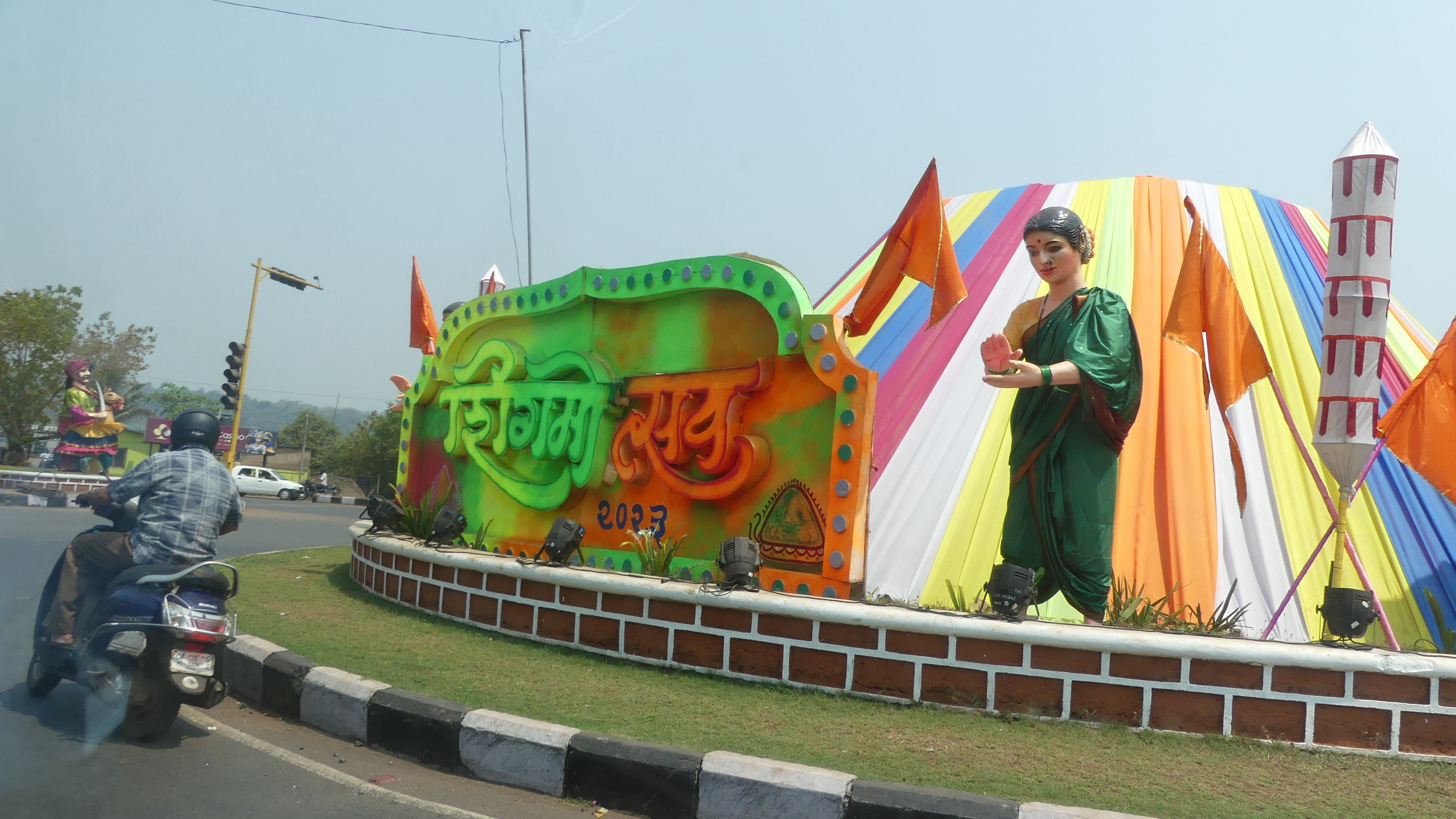
  • India overall is much cleaner compared to 20 years ago. Every city has artistic murals on its main highways and even in some tourist places depicting that city’s culture, art, and history. Every city now has Indian-flag-colored lights on its highways, which looks beautiful. But cleanliness has a long way to go outside of Delhi. New Delhi is super clean in its mostly tourist areas, besides Delhi, Varanasi has changed drastically, is super clean, and has a huge amount of tourism growth, but lacks a service mindset.
  • People in the South and Northeast regions were extremely honest, polite, and courteous compared to the northern part of the country. Kochi is probably the best example and one of the finest cities to visit in the south. Kochi has a lot of history, modern comforts, places to see, and things to do for 2-3 days.
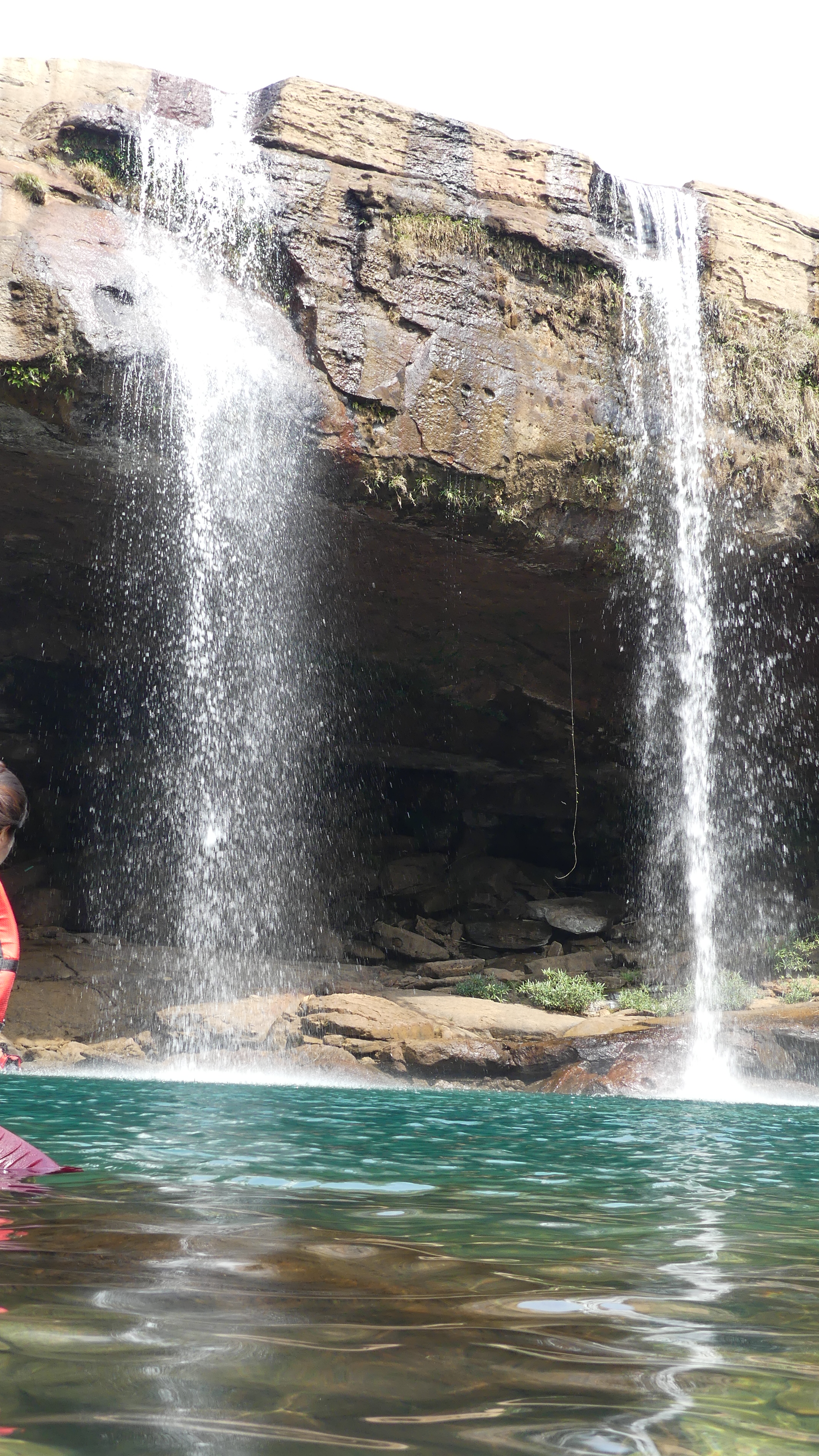
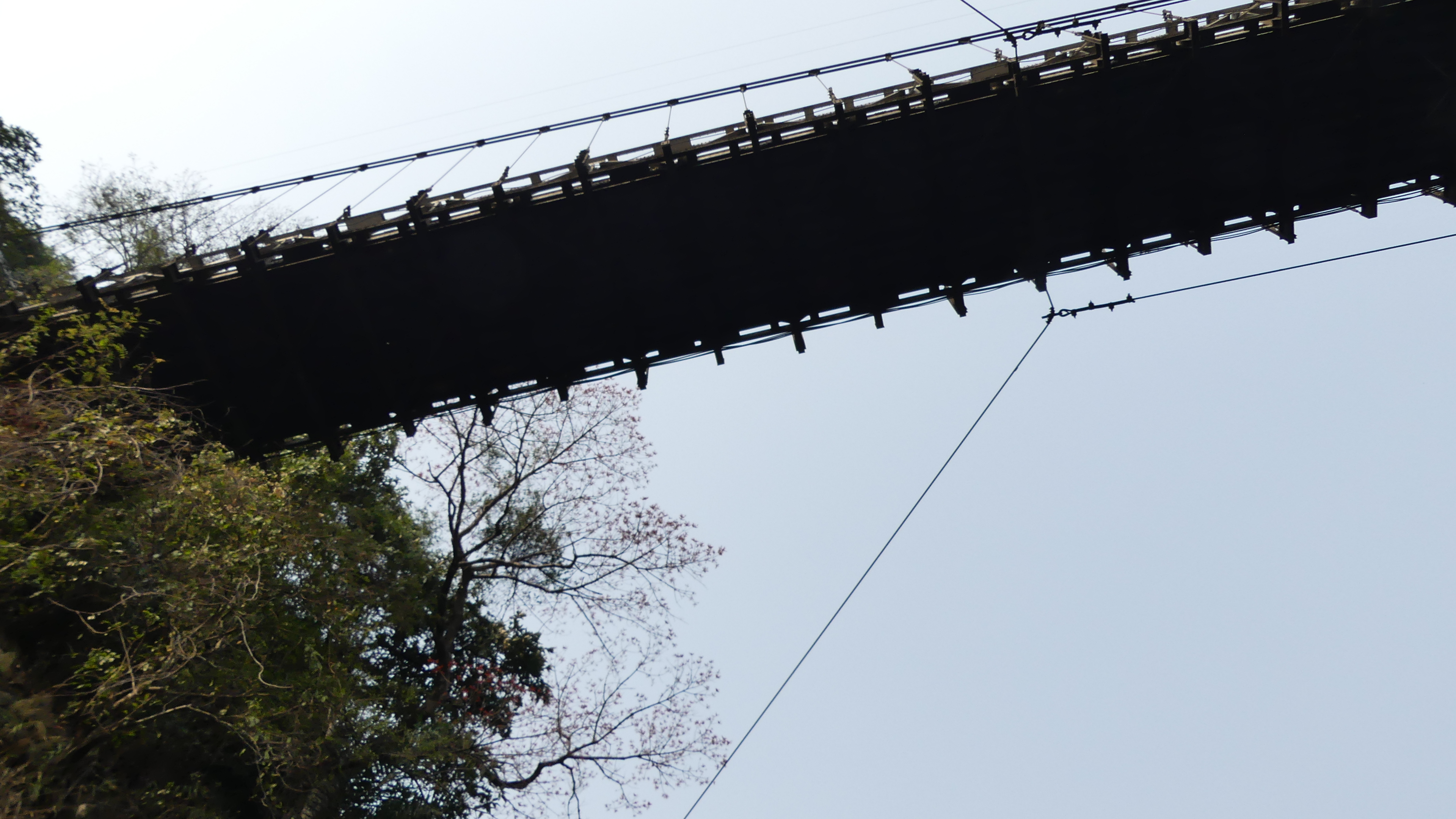
  • Assam and Meghalaya need more infrastructure development to take on tourism to the next level. Beautiful country, and very inexpensive. People there don’t feel like they are part of India. They are left out of the development. Some development is happening but not enough for it to become a powerhouse soon. Cherapunji, Mawlynnong, Dawki river, and many other attractions are wonderful. Guwahati is just another big city, cannot enter Shillong without spending hours in traffic jams. Roads are horrible in many places like Uttarakhand and Ladakh. Ziplining on the way to Cherapunji was thrilling. Cherapunji reminded me of much of Uttarakhand and parts of Ladakh. Weather is important. Mountain ranges were covered with smog throughout, like my trip to Uttarakhand a year ago.
  • Kerala is equally divided between Hindus, Christians, and Muslims but all religions live in complete harmony. They should set an example for the rest of the world. Similarly, Assam is predominantly Hindu but its neighbor Meghalaya is predominantly Christian and both states are equally at peace with each other.  All of India is fighting over beef but it is openly available and part of most Keralites’ meals every day. Southern people are very chilled and not in rush to go anywhere as compared to their northern neighbors.
  • Goa is still one of the best tourist places to visit. Its beaches and shack restaurants are designed to cater to tourists. Just have a load of money to spend because you can spend a lot of money here if you like to have good times. 
  • Mumbai is just the same as it has always been. Mumbai is New York of India. To see Mumbai, you have to go with some locals. Its cafes, bars, and restaurants can overwhelm anyone’s senses. Visited a cafe deep inside some hidden street inside the Bandra area, called Sabko, it has become a cult amongst the locals and tourists. Similarly, there are restaurants only locals will know about their food and existence. Having a celebrity along with you can get you a table and special attention in these places too. 
  • Varanasi is much improved and much more commercialized since I visited in 2017. There are marked improvements in its infrastructure such as the airport, train station, trains, and highways but no one can help with its crowds and self-righteous, deeply superficially religious citizens. The service excellence is not what Varanasi is famous for, this is a city you come to, pushed thru the famous temples and ghats, and pushed out. No one seems to care about you, and you get overwhelmed but still feel that you have experienced a miracle. You come back still thrilled that you could see Varanasi.
  • Kanpur has been my love for life, it doesn’t matter that it’s decaying at its core, it hasn’t changed at the grassroots level since I left the city in 1978. Except for a few concerned citizens, like the Kanpur Parivartan Forum and some more socially conscious people, the rest of Kanpur thinks alike. Even though the new metro, highrise buildings, and malls may give the image of 21st-century Kanpur, in reality, It is still living in the 70s, and it will not change anytime in the near future. But no one in the country can beat Mithas’s Jalebi, mithai, and Lassi. Kanpur is for family, specialty food, and Paan.
  • Delhi has transformed into a modern city for the most part, comparable to any international city until you go to Old Delhi. Delhi has its own culture which is quite different from any other city in India. Its people are very adventurous, confident, and friendly, not your what-you-see-what-you-get types like in the South or even other UP cities, they are very self-absorbed, and love food. Go to any restaurant, they are all packed any time of the day. Delhi is foodies’ mecca. Its food places are popular from under-the-metro food vendors to seven-star restaurants. There is so much to do and see in Delhi that you can spend weeks and still not cover it all but Delhi is not for solo travelers, you must have company to enjoy it completely. And if you don’t like crowds, and cars, and struggle to reach anywhere on time, don’t go to Delhi then.   
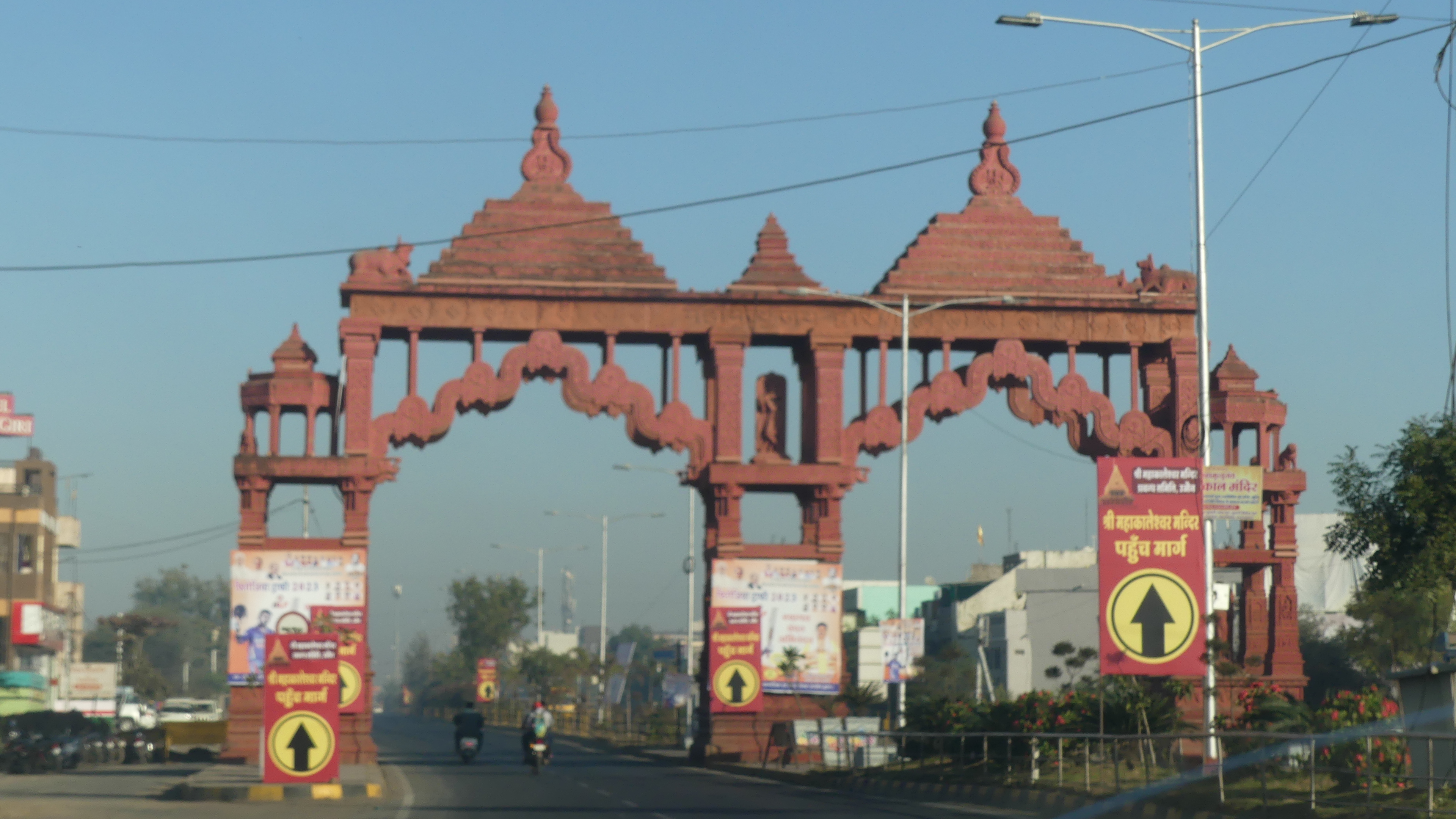
  • Religion has come to the forefront and has become prominent in most people’s lives, especially among Hindus. Religious tourism has become a thing in India. So many people are traveling to religious destinations, especially Shiva Bhakti (Mahakal) has become a cult in itself. I don’t know how and who started this but you have to see the lines at the famous temples. Poor people stay in lines for hours. Even Vivekanand Memorial is now treated as a religious pilgrimage location. Your position in lines is for sale. You can buy your way into any temple. I visited more temples on this trip than ever before. Except for one or two temples, I went in and came out without even seeing the main Idol because of the lines. Waited for 1.5 hours to get to Vivekanand memorial in the fast lane. There must’ve been a single-file kilometer-long line for general admission at 7:30 am and later in the day. The same for Padmnabhaswamy Temple, and Kamakhya Temple, Vishwanath Temple; couldn’t even go close to the Mahakal temple and Kaal Bhairav temples in Ujjain. 
  • Important Travelling Lesson for going solo or no local persons – Look for 4-star and above hotels for a clean and good stay; a 3-star hotel ranking is deceiving. Demand 4-star if you are going with any tour. Getting a SIM card at the airport or in the city comes in handy when you have to deal with local hotels, taxis, Uber, etc. Always carry cash, cash is still the king unless you have PayTM or UPI for Indian transactions. Not everyone accepts your American credit card. There is no one rule, rules change with the service provider. Confirm everything, don’t assume anything.  Uber and Ola drivers can cancel anytime even after accepting the ride. You will have to talk to them after confirming the ride via the app. Uber is almost half the price compared to independent taxi drivers.
  • I believe in buying from Indian local vendors instead of western big corporate outlets. Spend locally and help the local economy. 
  • The last lesson – poor man is just poor, they have no religion or nationality, and their only hope is to get some money, love, and respect. At least treat them with respect. 
  • The bottom line, you will enjoy India only when you give in to the Indian way, otherwise, you will stay miserable. You cannot enjoy India with the Western mindset. You will also learn about the Herd mentality in India. You cannot question anything, and you cannot apply logic to anything, Just have faith in the system. Even when things look bleak, they get done, you reach where you want to reach, may not be on time but you reach. In 35 days, I did not miss any taxi, train, or flight, nothing; my reservations showed up on time and I reached and achieved what I was set to do. I traveled and enjoyed every aspect of it, good and bad.
  • Please feel free to send your queries, and questions directly via this post or Facebook https://www.facebook.com/manojtiwari

Trip Itinerary – Feb 12 – Mar. 18th, 2023

Feb. 12th – Departed from DC
Feb 13 – Feb 15th – Delhi
Feb15 – Travel by Train to Indore
Feb. 16th – Reached Indore, Ashoo’s Sangeet Program
Feb. 17th – to Ujjain for Mahakal Shiv temple and Kaal Bhairav temple but couldn’t see because of Shivaratri crowd, instead visited 2 other temples. Shadi in the evening
Feb. 18th & 19th – Indore excursion, Sarafa Bazaar
Feb. 20th – Flight via Mumbai to Kochi; 
Feb. 21st – Business meetings and Dinner
Feb. 22nd – Excursion to Fort Kochi and Jewish settlements, synagogue, palace, etc. Dinner in the evening at Grand Hyatt.
Feb. 23rd – Excursion to Periyar Estate and boat ride
Feb. 24th – Train to Trivandrum, Visit Kovalam beach and Lulu Mall in the evening
Feb. 25th – Train to Kanyakumari
Feb. 26th – Sunrise at Kanyakumari, excursion to Vivekanand Memorial
Feb. 27th – Train to Madurai
Feb. 28th – Flight to Guwahati
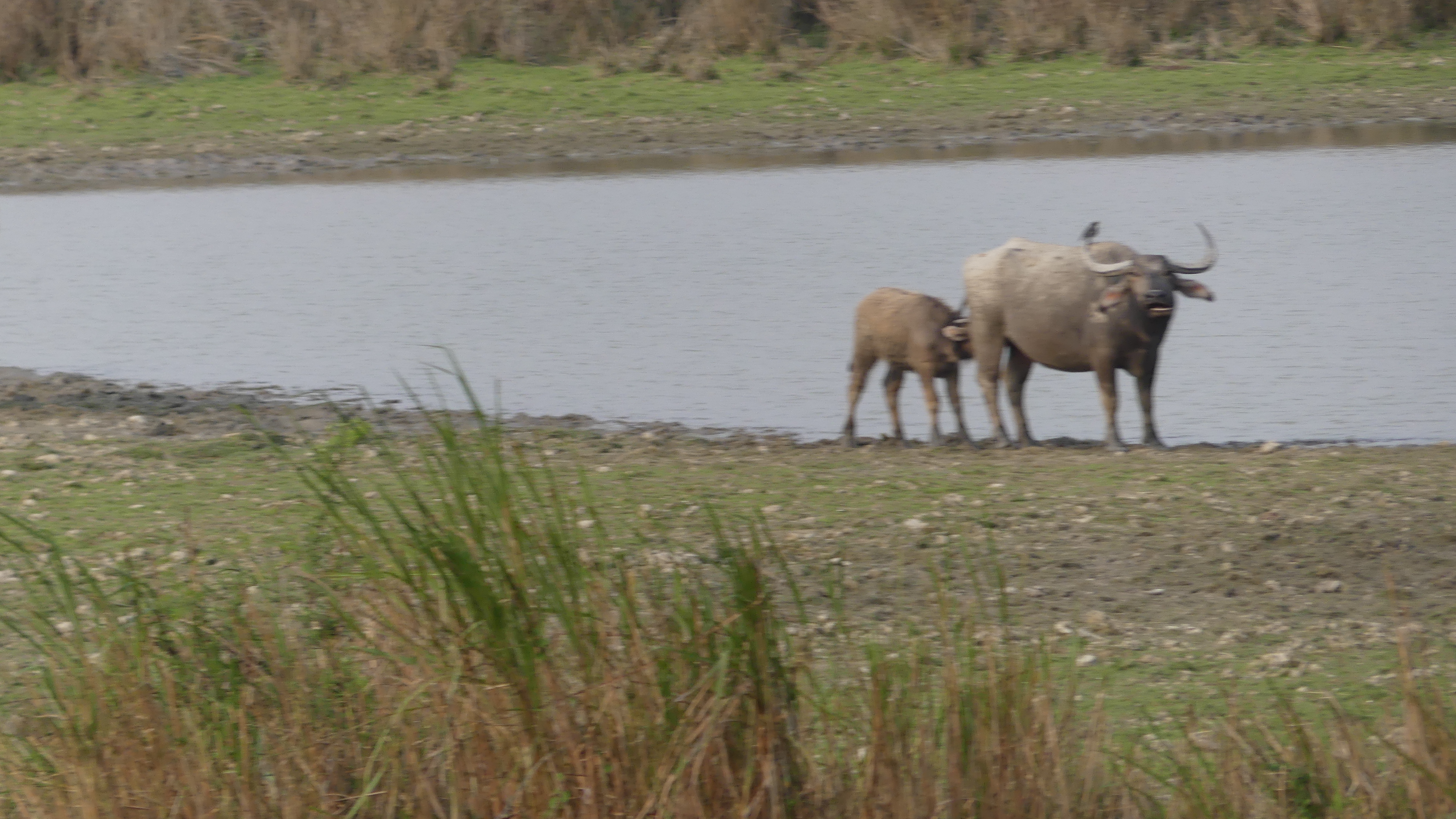
Mar. 1st & 2nd – Assam/Meghalaya 6-day excursion started. Zakai Eco camp in Kaziranga National park and visited Kaziranga National Park
Mar. 3rd – Shillong, Mahamrityunjay Temple
Mar. 4th – Mawlynnong, Dawki River, Bangladesh border
Mar. 5th – Cherapunji, Garden of Caves, Nohkalikai Fall, Mawsamai Cave
Mar. 6th – Guwahati, Kamakhya temple and Sunset Cruise on Brahmaputra 
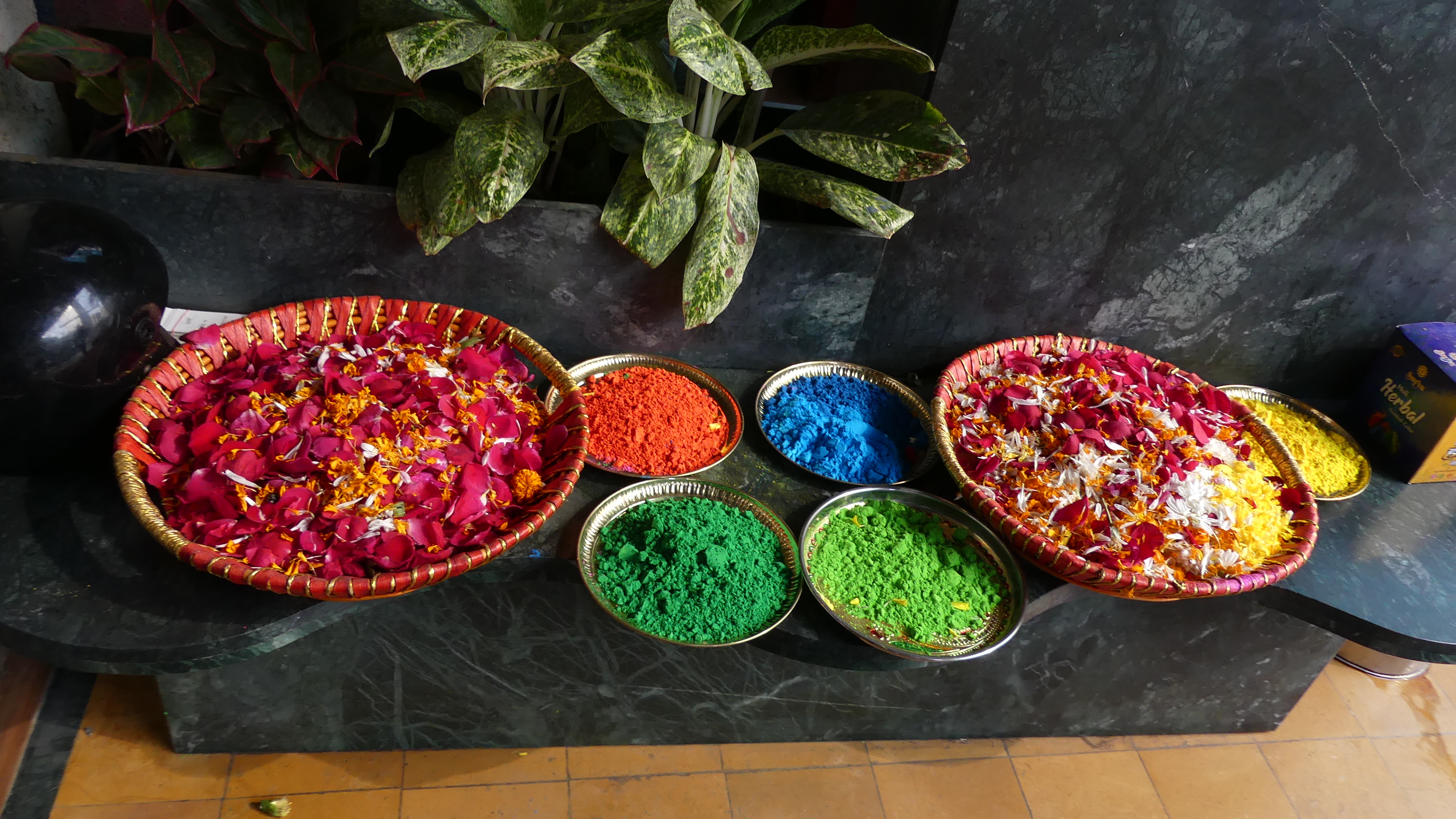
Mar. 7th – Mumbai, Holi celebration with the family
Mar. 8th – In Mumbai, sightseeing, Sabko Cafe, dinner at Mahesh Restaurant with the family 
Mar. 9th – Flight to Goa
Mar. 10th – Goa, Morajim beach, Calamari restaurant, Aguada fort
Mar. 11th – Basilica and other Churches
Mar. 12th – Flight to Varanasi
Mar. 13th – Sankat Mochan, BHU, meeting with family, Ganga Arti, boat ride, Vishwanath mandir
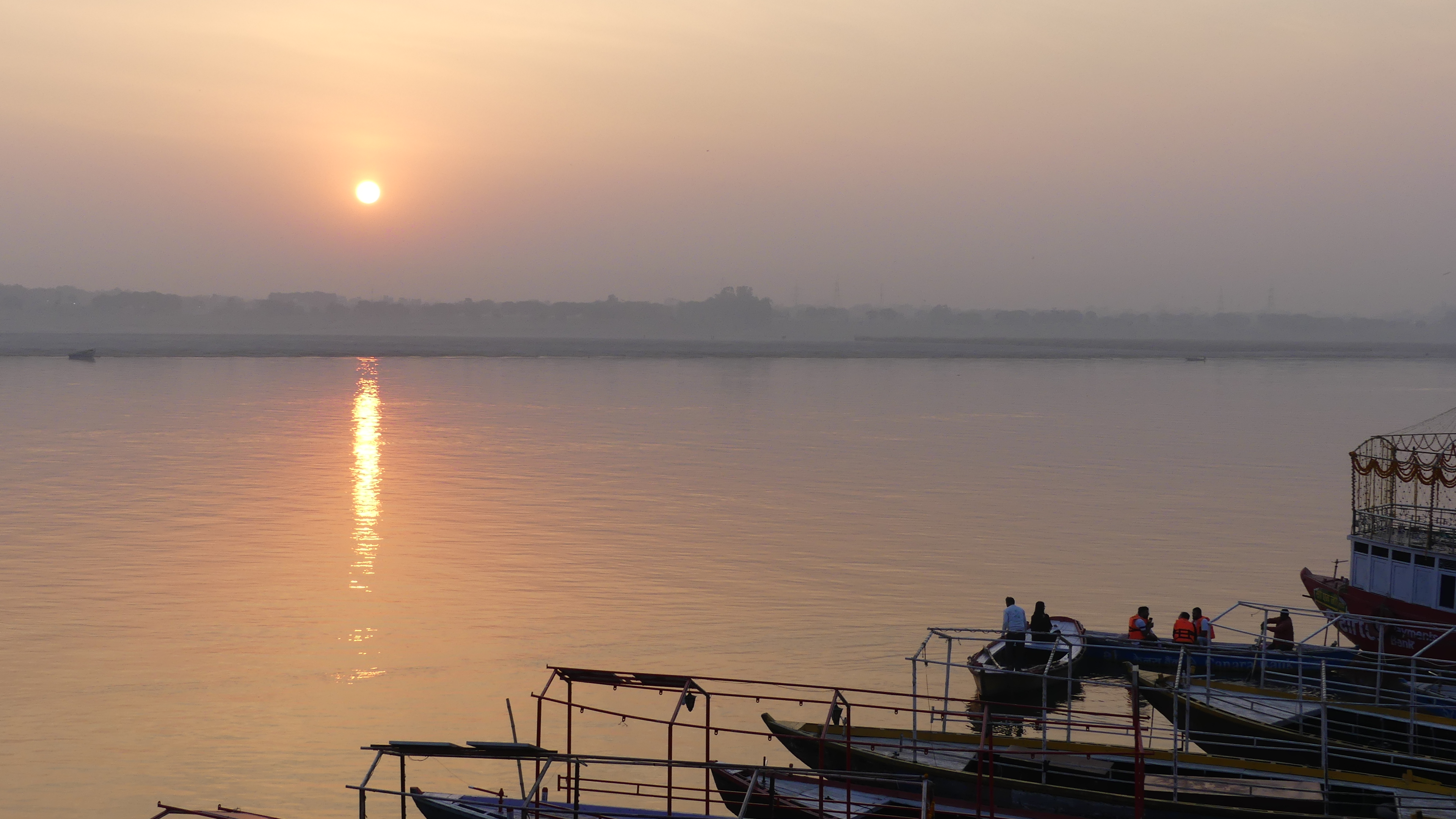
Mar. 14th – Sunrise at Assi Ghat, Train to Kanpur
March 15th & 16th – meeting with family, Parivartan group, Farm visit, dinner with friends & family
Mar. 17th – Train to Delhi; lunch with the family. Flight back to the US.

The Pyramid of Consciousness

Lately, I’ve become a firm believer in the recycling of souls — energy transforming from one form of life to another until it reaches its highest state of growth. I see souls as pure energy that continues to exist, waiting for the right moment or force to transform again. That transformation might come from spiritual growth or from some divine spark that moves the soul forward.

We all wonder what happens after death, yet no one can truly prove it one way or another. Every theory about life after life is a mix of observation, imagination, and intuition. My own theory — the Hierarchy of Consciousness — builds on Maslow’s Hierarchy of Needs, the idea that we grow as we fulfill different levels of human motivation.

For me, consciousness means awareness — the ability to use our mind and spirit beyond physical existence.

Maslow described our human needs as a pyramid, from basic survival to safety, love, esteem, and self-actualization. In the same way, I believe that soul energy also grows through levels of awareness. Every living thing — plant, animal, or human — carries a spark of this energy, which evolves as it moves through different forms. Just as we climb Maslow’s pyramid by satisfying one level before reaching the next, our consciousness rises gradually, lifetime after lifetime. There is no set timeline — just an unfolding journey of growth.

When I was born, I didn’t know where I came from or where I was headed, but I believe my soul entered life already carrying a certain level of awareness. Maybe I was placed in the environment I needed for my soul’s next lesson. Buddha, for example, may have been born into the level of Sainthood but began at its lowest step, growing through experience and karma toward Divinity. Gandhi might have started at Social Consciousness and risen higher through his selfless service. Each of us begins at a different point in the pyramid, and through our actions — our karma — we either rise or remain where we are, returning until we’ve grown enough to move forward.

This aligns beautifully with the Hindu idea of reincarnation — that souls continue to return until they reach Nirvana or Moksha, the state of complete spiritual freedom. I see this as the top of the pyramid, the Divinity Level, where a soul has reached its highest consciousness as a human being. Beyond that, who knows? Maybe the soul transforms into another kind of existence altogether. Energy never dies; it only changes form.

Based on the book Many Lives, Many Masters by Dr. Brian Weiss, even souls have their own hierarchy. Perhaps the divine ones evolve into what we might call a “Godly hierarchy of consciousness.”

Here’s how I see the journey:

1. Survival Consciousness – Souls newly arrived in human form, learning to live and adapt.

2. Family and Material Awareness – Souls experiencing comfort, relationships, and earthly attachments.

3. Compassionate Awareness – Souls learning to care for others and to see the beauty of coexistence.

4. Social and Universal Consciousness – Souls dedicated to helping and uplifting others; those who serve humanity without seeking personal gain.

5. Sainthood – Souls who transform the world through purity of purpose — like Gandhi, Buddha, or Mother Teresa.

6. Divinity – The final level of human consciousness, where souls embody divine love and understanding, such as Jesus, Guru Nanak, or Sai Baba.

So why think about consciousness at all? Because understanding our place in this hierarchy can give life purpose. It helps us recognize that growth is the point of every experience — good or bad. Every act of kindness, every hardship, every lesson is a step upward.

I’ve found my purpose in seeking that growth, in trying to elevate my consciousness a little each day.

What about you?

This content is an original thought of Manoj Tiwari and is protected under the Copyright Laws.